There are several types of dental crown. There is no single crown that suits everyone; the right choice depends on the tooth, your bite and your preferences.
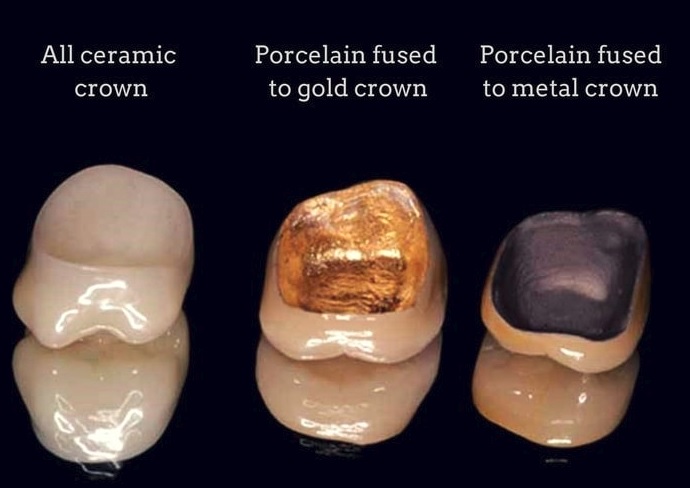
Common crown materials
- Emax (lithium disilicate) ceramic: translucent and can closely match natural teeth; often suited to front teeth.
- Zirconia: a very strong ceramic often used for back teeth or people who grind; can look slightly more opaque.
- Porcelain-fused-to-metal: a metal base with porcelain on top; a dark line can show at the gumline if the gum recedes.
- Gold: very durable, but the colour is visible.
How long do crowns last?
This varies with the material, your bite, grinding habits and how well the area is cleaned. Crowns can chip, loosen or need replacing.
How your dentist helps you choose
Your dentist will consider which tooth is involved, how much tooth is left, your bite, any grinding and your preferences, and will explain the options and costs. Read about what affects the cost of a crown.
Read more about dental crowns at North Ryde Dentistry.
Related articles
- Dental Crown or Cap: What Is the Difference?
- How Much Do Dental Crowns Cost? What Affects the Fee
- What Is a Dental Crown and Why Might I Need One?
This article is general information only and does not replace advice from your own dentist. Whether a treatment is suitable for you can only be decided after an examination. All dental treatment carries risks, and results vary from person to person. Any surgical or invasive procedure carries risks. Before proceeding, you should seek a second opinion from an appropriately qualified health practitioner.