Something Stuck Between Your Teeth? How to Remove It Safely
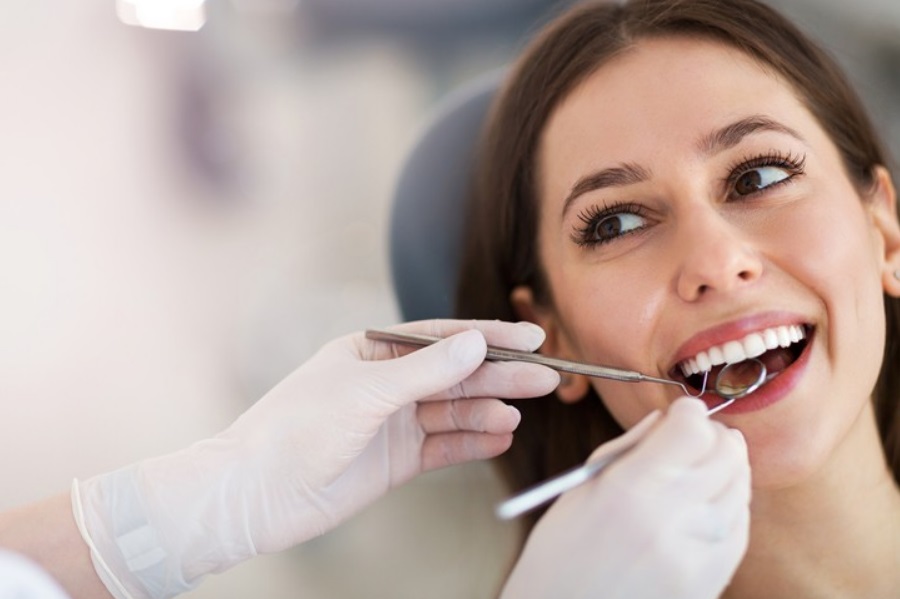
If you have something stuck between teeth, rinse hard with warm water, then gently use dental floss, an interdental brush or a water flosser to work it out. Never dig at it with a pin, knife or other sharp object. If it won’t budge after a day of gentle attempts, or the gum becomes painful or swollen, see a dentist. Trapped food is usually more annoying than dangerous, but a stubborn piece can inflame the gum, and food that catches in the same place again and again often points to a problem that needs attention. This guide covers safe removal, what to avoid and when to get help. For problems that can’t wait, see what counts as a dental emergency. When to get urgent help Food caught in the throat is different from food caught between the teeth. Call 000 or go to your nearest hospital emergency department if you or your child has: If you’re unsure whether you need to be seen tonight, call healthdirect on 1800 022 222 for 24/7 nurse advice. How to remove something stuck between teeth Work through these steps in order, gently. Most trapped food comes out within the first two or three. If the gum is sore, over-the-counter pain relief such as paracetamol or ibuprofen, taken as directed on the pack, may help if it’s safe for you. If it feels tender or swollen from outside, hold ice wrapped in a cloth against your cheek for 10–15 minutes at a time. What not to use When something won’t shift it is tempting to grab whatever is nearby. Avoid: Why popcorn husks and small seeds cause problems Popcorn husks, seed shells and small fibres are thin and sharp enough to slip below the gumline, where floss may not reach them. Trapped there, they can irritate the gum and lead to a gum abscess, a painful pocket of infection. Signs include throbbing pain, a swollen red bump on the gum, a bad taste, or pus. A gum abscess needs to be seen by a dentist. Our emergency dentist in North Sydney aims to see urgent problems as soon as possible, often on the same day. Your dentist can remove the object, clean and drain the area and advise on aftercare. Don’t try to squeeze or pierce the swelling yourself. When food keeps getting stuck in the same place If food traps in the same spot most days, the teeth themselves may be telling you something. Common reasons include: These are usually easy to spot at a check-up with an examination and X-rays. Fixing the cause, for example by replacing a filling, can stop the food trapping and protect the neighbouring teeth and gum. Regular teeth cleaning also removes the plaque and tartar that make trapped food more irritating. When to see a dentist Book an appointment if: Regular check-ups at our North Sydney practice are part of our preventive dentistry care and can pick up these problems early. Frequently asked questions Need help now? North Sydney Dentistry is at Level 1, Suite 102/71 Walker St, North Sydney, a two-minute walk from North Sydney station. We’re open Monday to Friday, 9am to 6pm, and keep time aside for urgent problems where we can. Call (02) 8090 1108 or book online. This article is general information only and is not a substitute for advice from your own dentist or doctor. Any surgical or invasive procedure carries risks. Before proceeding, you should seek a second opinion from an appropriately qualified health practitioner.
Halloween Lollies and Kids’ Teeth: A Parent’s Guide

Halloween does not have to be a dental disaster. Here is how lollies affect kids’ teeth, which treats are harder on them and practical ways to manage the haul.
Wisdom Teeth Symptoms: When to See a Dentist
Pain, swelling and a bad taste at the back of the mouth can all come from wisdom teeth. Here is what the symptoms mean and when to get them checked.
Jaw Pain: When Is It a Dental Emergency?
Jaw pain is a dental emergency when it comes with facial swelling, fever, trouble opening your mouth, or after an injury. It is often caused by a tooth infection, wisdom teeth, grinding or a problem with the jaw joint. But pain in the jaw with chest pain, shortness of breath or sweating can be a heart attack, so call 000 straight away. If you’re not sure how urgent a mouth or tooth problem is, see what counts as a dental emergency. Below are the warning signs, the common causes and what you can do. Call 000 first for these warning signs Pain in the jaw, neck, shoulder or arm together with chest pain or discomfort, shortness of breath, sweating, nausea or dizziness can be a sign of a heart attack. Call 000 immediately. Don’t drive yourself to hospital and don’t wait to see if it passes. Heart attack symptoms can be vague, particularly in women, older people and people with diabetes. Also call 000 or go to your nearest hospital emergency department if you have: Signs of a broken jaw include teeth that suddenly don’t meet properly, numbness of the lower lip or chin, bruising under the tongue, and pain or difficulty moving the jaw. Support the jaw gently with your hand or a scarf while you travel, and don’t try to push it back into place yourself. If you’re over 50 and have new pain in the jaw when chewing along with headache, scalp tenderness or changes to your vision, see a doctor the same day. For advice at any hour, call healthdirect on 1800 022 222. Common dental causes of jaw pain Once serious medical causes are ruled out, most pain in this area has a dental or jaw-joint cause. Tooth infection An abscessed tooth can cause a deep, throbbing ache that spreads into the jaw, ear or neck. You might notice swelling, a bad taste, tenderness when biting or a fever. Dental infections don’t clear up on their own and can spread, so see a dentist urgently. Antibiotics alone don’t remove the source, and they should only be taken when prescribed. Wisdom teeth A partly erupted wisdom tooth can trap food and bacteria under the gum flap, causing pericoronitis. The gum at the back of the mouth becomes swollen and sore, and it can be painful to open wide or swallow. Warm salty rinses can help in the short term, but repeated flare-ups are a common reason for wisdom tooth removal. Grinding and clenching Many people grind or clench during sleep or under stress without realising. Clues include a tired, aching jaw in the morning, headaches at the temples, worn or chipped teeth and tender cheek muscles. It is rarely an emergency, but it is worth having checked. Jaw joint (TMJ) problems The temporomandibular joint sits just in front of each ear. Problems here can cause aching around the ear, clicking or popping, pain when chewing and difficulty opening fully. Symptoms often come and go and usually improve with simple care. A locked jaw If your jaw suddenly catches and you can only open part of the way, it may be a disc problem in the joint. This is usually not dangerous but should be seen soon. If your jaw is stuck open and won’t close, it may be dislocated and needs hospital care. Difficulty opening with swelling and fever can mean a spreading infection and is also urgent. Other causes Sinus infections can make the upper back teeth and cheeks ache. Earaches and nerve conditions can also feel like jaw or tooth pain, which is why your dentist will examine carefully and may refer you to your doctor. What you can do at home If the pain is getting worse, keeping you awake, or comes with swelling or fever, don’t wait it out. How a dentist can help Our emergency dentist in North Sydney aims to see urgent problems as soon as possible, often on the same day. Your dentist will ask about your symptoms and medical history, examine your teeth, gums, jaw muscles and joints, and take X-rays if needed. Depending on the cause, care may include: Your dentist will explain your options, the likely costs and any risks before treatment begins. People in North Sydney with ongoing jaw discomfort are welcome to call for advice. Frequently asked questions Need help now? North Sydney Dentistry is at Level 1, Suite 102/71 Walker St, North Sydney, a two-minute walk from North Sydney station. We’re open Monday to Friday, 9am to 6pm, and keep time aside for urgent problems where we can. Call (02) 8090 1108 or book online. This article is general information only and is not a substitute for advice from your own dentist or doctor. Any surgical or invasive procedure carries risks. Before proceeding, you should seek a second opinion from an appropriately qualified health practitioner. Related at North Ryde Dentistry: our North Ryde dental clinic
Take-Home vs In-Chair Teeth Whitening: Which Suits You?
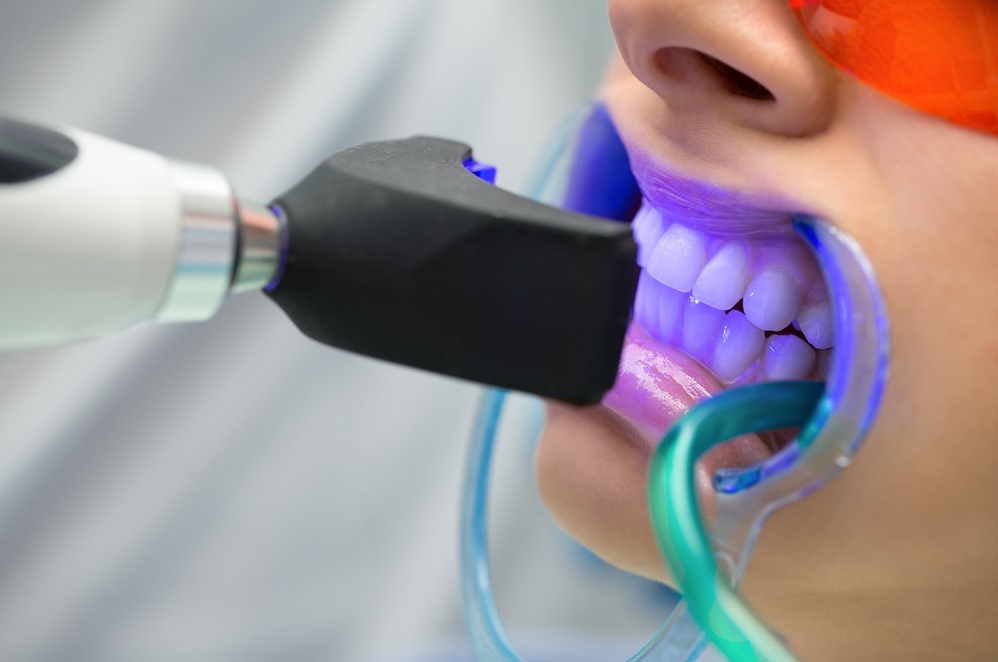
Professional whitening comes in two main forms. Here is how take-home and in-chair whitening compare on time, cost, comfort and results.
Bleeding Gums: When to Worry and What to Do
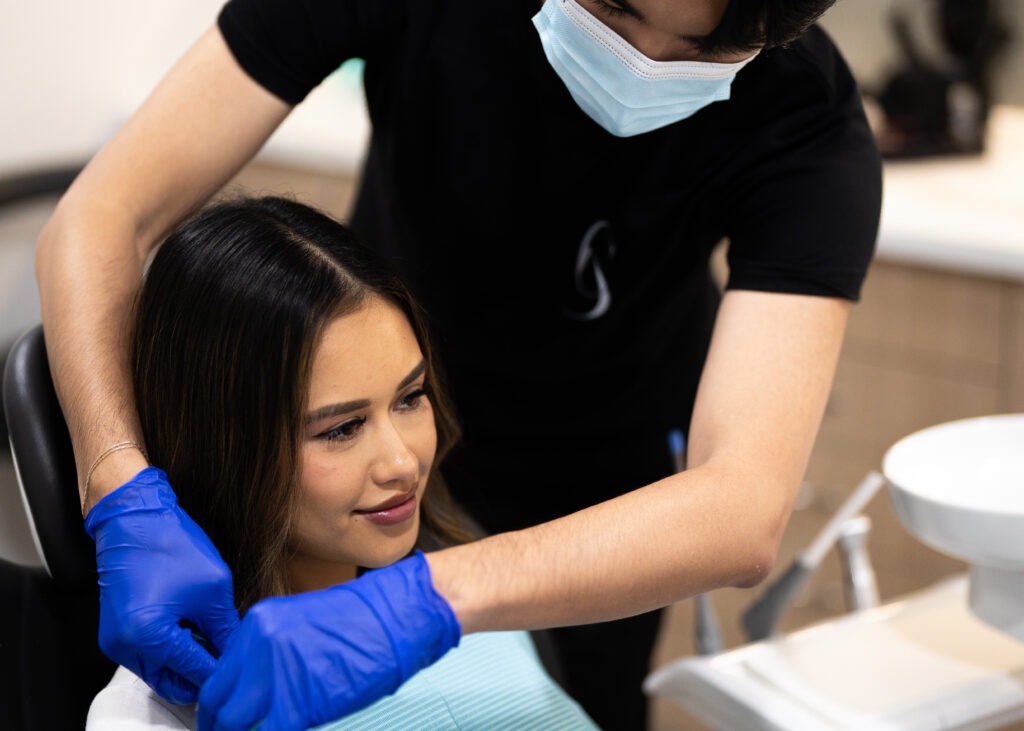
Bleeding gums are most often caused by gingivitis, an early and reversible form of gum disease triggered by plaque along the gumline. Keep brushing and cleaning between your teeth gently, and book a check-up if the bleeding doesn’t settle within a week or two. Heavy bleeding that won’t stop, or bleeding with unexplained bruising, needs prompt medical attention. A little pink in the sink when you brush is common, but it isn’t normal. Healthy gums don’t usually bleed with gentle brushing or flossing. This guide explains the likely causes, what you can do at home and when bleeding becomes urgent. For other urgent problems, see what counts as a dental emergency. When bleeding gums are urgent Call 000 or go to your nearest hospital emergency department if you have: See your doctor promptly, the same day if you can, if your gums bleed and you also notice unexplained bruising, frequent nosebleeds, tiny red or purple spots on the skin, unusual tiredness, fever or weight loss. These can point to a problem with the blood or another medical condition that needs checking. If you take blood thinners and your gums are bleeding more than usual, contact your doctor for advice. Don’t stop or change any prescribed medicine without medical advice, as that can be dangerous. Out of hours, call healthdirect on 1800 022 222 for 24/7 nurse advice. Bleeding after a tooth extraction Some oozing for the first day is expected. If bleeding is steady, fold a clean gauze pad, place it over the socket and bite firmly for 15–20 minutes without checking. Sit upright and avoid rinsing, spitting and hot drinks. If it keeps bleeding after this, contact our emergency dentist in North Sydney or, out of hours, go to the nearest emergency department. Why do gums bleed? Gingivitis When plaque sits along the gumline, the gums become red, puffy and tender, and they bleed easily when brushed. Gingivitis doesn’t damage the bone, so it can usually be reversed with thorough daily cleaning and a professional clean. Periodontitis If gingivitis continues, the inflammation can spread below the gumline and start to destroy the bone and fibres that hold teeth in place. Signs include bleeding, receding gums, bad breath, a bad taste, gum pockets and loose or shifting teeth. Lost bone doesn’t usually grow back, but treatment can often slow or stop the disease. Other common factors What to do at home Over-the-counter pain relief such as paracetamol or ibuprofen, taken as directed on the pack, may help with sore gums if it’s safe for you. Ibuprofen isn’t suitable for everyone, particularly people on blood thinners, so check with your pharmacist. How a dentist treats gum bleeding Your dentist will look at your gums, measure any pockets around the teeth and may take X-rays to check the bone. They will also ask about your general health and medications. Treatment usually includes: In many cases, gums bleed noticeably less within a few weeks of a professional clean and consistent home care. Keeping your gums healthy Regular check-ups let problems be found while they are still reversible. Our preventive dentistry care in North Sydney includes examinations, cleans and advice tailored to your gums. If you have diabetes, are pregnant or take medicines that affect your gums, you may need more frequent visits. Frequently asked questions Need help now? North Sydney Dentistry is at Level 1, Suite 102/71 Walker St, North Sydney, a two-minute walk from North Sydney station. We’re open Monday to Friday, 9am to 6pm, and keep time aside for urgent problems where we can. Call (02) 8090 1108 or book online. This article is general information only and is not a substitute for advice from your own dentist or doctor. Any surgical or invasive procedure carries risks. Before proceeding, you should seek a second opinion from an appropriately qualified health practitioner. Related at North Ryde Dentistry: our North Ryde dental clinic
Signs You Might Need Root Canal Treatment
Lingering sensitivity, throbbing pain and gum swelling can all point to a problem inside a tooth. Here are the signs, and what root canal treatment involves.
Loose Adult Tooth: Causes and What to Do
A loose adult tooth is a sign that something is affecting the gum, bone or ligament that holds it in place, most often an injury, gum disease, grinding or an infection. If the tooth became loose after a knock, see a dentist the same day. If it has loosened slowly over weeks or months, book an appointment soon, and avoid wiggling it in the meantime. Adult teeth are designed to move only very slightly under pressure, so any movement you can feel is worth having checked. Many can be firmed up again when the cause is found early. This article explains the common causes, what you can do at home and how a dentist can help. If you’re unsure how urgent your situation is, see our dental emergency guide. When a loose tooth needs hospital care Call 000 or go to your nearest hospital emergency department if the tooth was loosened by a hard blow and you also have: Out of hours, you can also call healthdirect on 1800 022 222 for 24/7 nurse advice about where to go. What causes a loose adult tooth? Injury A fall, a sports knock or a bite on something hard can stretch or tear the ligament around the root, push the tooth out of position or crack the root below the gum. The tooth may sit higher or lower than its neighbours, look crooked or feel tender to bite on. Gum disease Periodontitis is the most common cause of teeth loosening slowly in adults. Plaque and tartar at the gumline cause long-term inflammation that gradually destroys the bone supporting the teeth. Other signs include bleeding gums, bad breath, receding gums and gaps appearing between teeth. It often causes no pain until it is advanced. Grinding and clenching Heavy grinding or clenching, often during sleep, puts repeated force on the teeth. Over time this can widen the ligament space and make a tooth feel mobile, especially if the gums and bone are already weakened. You might also notice worn teeth or a sore jaw in the morning. Infection An abscess at the tip of a root or in the gum can damage the surrounding bone and make a tooth feel loose and raised. You may have throbbing pain, swelling, a bad taste or a pimple on the gum. When the infection is treated, the tooth often firms up again. Other causes Some looseness is expected during orthodontic treatment. Less commonly, cysts or other conditions affecting the jaw bone can loosen teeth, which is one reason your dentist may take an X-ray. What to do right now If the tooth is very loose and you’re worried it could come out while you sleep, see a dentist urgently. If it does come out, keep it in milk and bring it with you. How your dentist treats a loose adult tooth Your dentist will ask what happened, check how much the tooth moves, test your bite and look at the gums. X-rays show the root and the bone around it. Our emergency dentist in North Sydney aims to see urgent problems as soon as possible, often on the same day. Depending on the cause, treatment may include: If the tooth can’t be kept Sometimes a tooth has lost too much support, or the root is fractured in a way that can’t be repaired. In that case, your dentist will discuss removing it and the options for filling the gap, such as a bridge or dental implants. Your dentist will explain the benefits, risks and likely costs of each option before anything is done. Preventing loose teeth Patients in North Sydney who notice any change in how their teeth feel are welcome to call us for advice. Frequently asked questions Need help now? North Sydney Dentistry is at Level 1, Suite 102/71 Walker St, North Sydney, a two-minute walk from North Sydney station. We’re open Monday to Friday, 9am to 6pm, and keep time aside for urgent problems where we can. Call (02) 8090 1108 or book online. This article is general information only and is not a substitute for advice from your own dentist or doctor. Any surgical or invasive procedure carries risks. Before proceeding, you should seek a second opinion from an appropriately qualified health practitioner. Related at North Ryde Dentistry: our North Ryde dental clinic
Your Child’s First Dental Visit: What to Expect
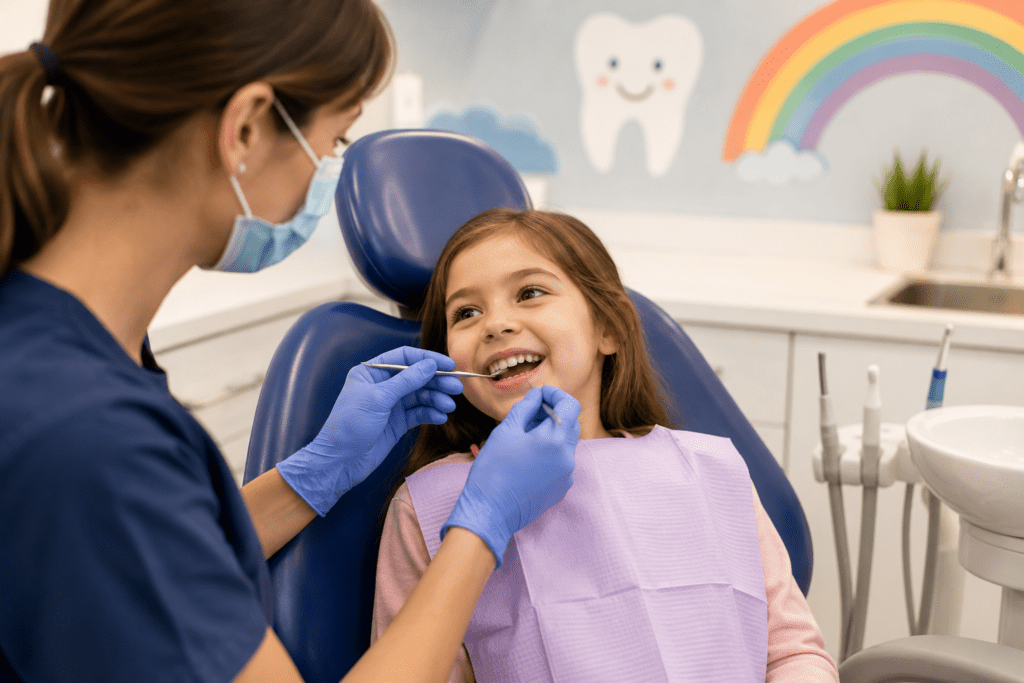
When should your child first see a dentist, and what actually happens? A practical guide for parents on timing, preparation and the visit itself.
Sensitive Teeth: Common Causes and Treatment Options

Sharp twinges from cold, sweet or brushing are common. Here is what causes sensitive teeth, how to manage it at home and when a dentist can help.