
Composite veneers are made from tooth-coloured resin applied directly to the tooth and shaped by the dentist, usually in a single appointment. They generally require less tooth preparation than porcelain veneers but are more prone to staining, chipping and wear, and typically need more frequent maintenance or replacement. Whether composite veneers are suitable depends on your teeth, bite and oral health, which your dentist will assess at a consultation.
Alternatives include porcelain veneers, whitening, orthodontic treatment or no treatment. Your dentist will discuss these with you.
Composite veneers are usually placed in one appointment. The steps below describe a typical appointment; your dentist will explain what applies to you.
Your dentist examines your teeth, gums and bite, asks what you would like to change, and explains whether composite veneers are suitable, the alternatives, the risks and the cost.
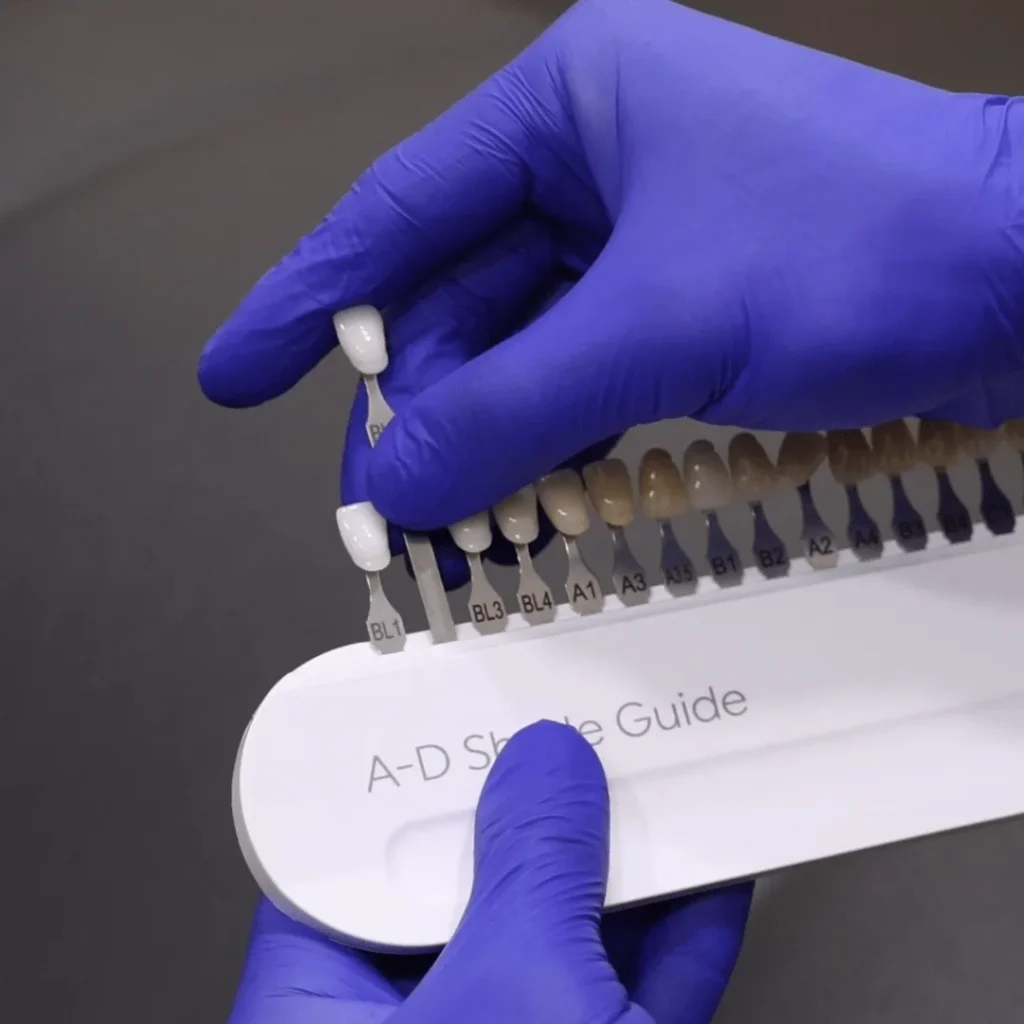
You and your dentist choose a shade and discuss the proposed shape. Resin colour can change over time and may not match neighbouring teeth indefinitely.
The tooth surface is cleaned and prepared with an etching solution so the resin can bond. Some teeth need a small amount of reshaping first; your dentist will tell you beforehand.
The resin is applied in layers, shaped on the tooth and hardened with a curing light.
The veneers are shaped and polished, and your dentist checks your bite. Adjustments may be needed at a later visit.
Composite veneers are more prone to staining and chipping than porcelain and usually need repair or replacement sooner. Most people return to normal activities the same day. Read the full risks and considerations for composite veneers.
These images show the outcome for the individual patient pictured. Results vary and are not a prediction of your outcome. All procedures carry risks. Discuss the risks, limitations and alternatives with your dentist before deciding on treatment.
Access our detailed price guide to understand the investment in your dental care options.