
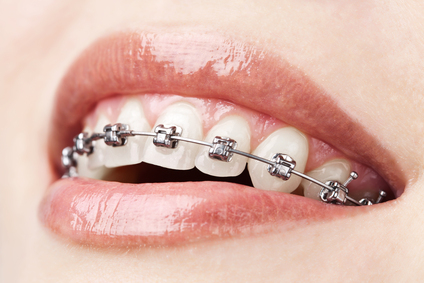
Traditional braces use small brackets bonded to the teeth and a thin wire that is adjusted over time to move the teeth into a new position. They can be used for crowded or spaced teeth, crooked teeth and some bite problems, in teenagers and adults.
Braces are one option alongside clear aligners such as Invisalign. Your dentist will examine your teeth and bite, take records such as X-rays and photos, and explain which options may suit you, how long treatment is likely to take, the risks and the cost. More complex cases may be referred to a specialist orthodontist.
Braces may be considered for:
Alternatives include clear aligners, treating only a few teeth, or no treatment. Your dentist will explain the pros and cons of each option for your situation.
Your dentist will explain the risks that apply to you. They can include:
Results vary from person to person, and treatment can take longer than first estimated. All treatment carries risks.
The cost depends on how complex your case is, how long treatment takes and the type of brackets used. You will receive a written quote after your assessment. Your health fund may cover part of the cost if you have orthodontic cover, depending on your level of extras cover and any waiting periods.
Interest-free payment plans are available for eligible patients, subject to terms and approval. You can also compare braces with Invisalign clear aligners.
Access our detailed price guide to understand the investment in your dental care options.