
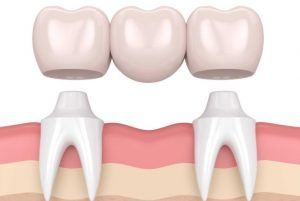
A missing tooth can affect chewing and appearance, and can lead to other changes over time. A dental bridge is one way to replace it.
Dental Implants North Ryde: The Journey of Single Dental Implant Placement & Restoration
What is a bridge?
A bridge uses crowns on one or both neighbouring teeth to hold a replacement tooth in the gap. It is fixed in place.
Why replacing a tooth can matter
- Tooth movement: neighbouring teeth can drift or tilt into the gap, and opposing teeth can over-erupt.
- Cleaning: shifted teeth can create spaces that are harder to clean, increasing the risk of decay and gum problems.
- Chewing and appearance: a gap may affect how you chew or how you feel about your smile.
Bridges compared with other options
A bridge is usually completed over one to three appointments and often costs less initially than an implant, which involves surgery and several months of treatment. However, a bridge requires shaping the neighbouring teeth, which is irreversible. A removable denture is another option.
Risks
Supporting teeth can decay, become sensitive or need root canal treatment, and bridges can eventually need replacement.
Read about implants vs bridges.
Dental Implants: Replacing a Missing Tooth in North Ryde
Related articles
- Dental Bridge Cost: How Bridges Compare with Other Options
- Tooth Implant vs Bridge: Comparing Your Options
- Types of Dental Bridges
This article is general information only and does not replace advice from your own dentist. Whether a treatment is suitable for you can only be decided after an examination. All dental treatment carries risks, and results vary from person to person. Any surgical or invasive procedure carries risks. Before proceeding, you should seek a second opinion from an appropriately qualified health practitioner.