
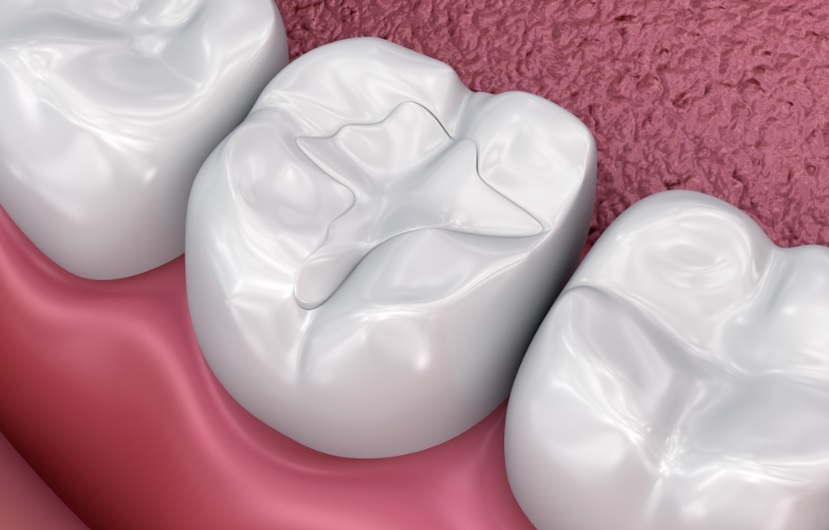
Tooth decay is one of the most common health problems, even though it is largely preventable. When decay is found early, it can usually be treated with a filling.
What affects the cost?
- Material: glass ionomer and composite resin are common direct fillings; ceramic or composite onlays and gold restorations cost more.
- Size: fees are often based on the number of tooth surfaces involved.
- Position: back teeth can be more complex.
- Depth: deep cavities may need extra steps to protect the nerve.
Choosing a material
Your dentist will recommend a material based on the tooth, the size of the cavity and your bite. Read more about filling materials.
Early treatment helps
Book a check-up if you notice sensitivity or a visible hole. Treating decay while it is small is usually simpler and less costly.
Health funds
Many extras policies contribute to fillings. Check with your fund using the item numbers on your quote.
You will be told the fee before treatment. Read about what affects filling costs.
Related articles
- Tooth Filling Cost: What Affects the Fee
- What Is a Tooth Filling? Materials and Process
- Are Dental Fillings Safe? Common Questions Answered
This article is general information only and does not replace advice from your own dentist. Whether a treatment is suitable for you can only be decided after an examination. All dental treatment carries risks, and results vary from person to person.