
There are several materials used to fill teeth. There is no single material that suits every tooth; your dentist will recommend one based on the size and position of the cavity, your bite and your preferences.
Common filling materials
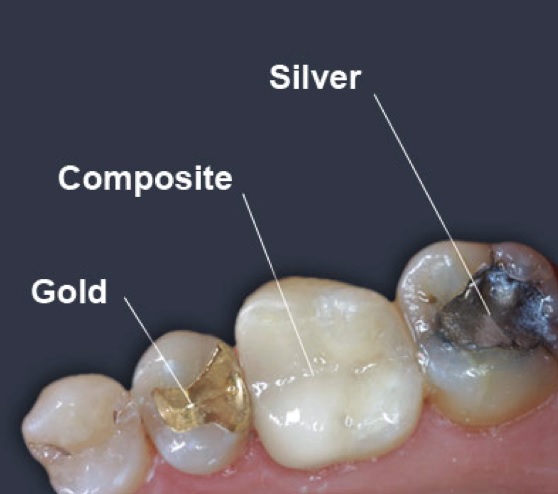
- Composite resin: tooth-coloured and bonded to the tooth. Suitable for many front and back teeth; can wear or stain over time.
- Glass ionomer: tooth-coloured and releases fluoride; often used for small fillings, near the gumline or in baby teeth; less wear-resistant.
- Amalgam (silver): durable, but not tooth-coloured. Its use has declined, and it is not generally recommended for some groups, such as pregnant women and young children.
- Gold or ceramic inlays/onlays: made in a laboratory or milled; used for larger restorations; cost more.
Do fillings wear out?
Yes. All fillings can wear, chip or develop decay around their edges over time. Regular check-ups help find problems early.
Risks
Sensitivity after a filling is common and usually settles. Deep fillings can occasionally lead to nerve inflammation needing further treatment.
Read more about fillings at North Ryde Dentistry.
Related articles
- Are Dental Fillings Safe? Common Questions Answered
- Tooth Filling Cost: What Affects the Fee
- What Is a Tooth Filling? Materials and Process
This article is general information only and does not replace advice from your own dentist. Whether a treatment is suitable for you can only be decided after an examination. All dental treatment carries risks, and results vary from person to person.