
Accidents, large fillings and decay can leave a tooth broken or weakened. If you notice a change in a tooth, a dental assessment can find the cause and explain the options.
What is a crown?
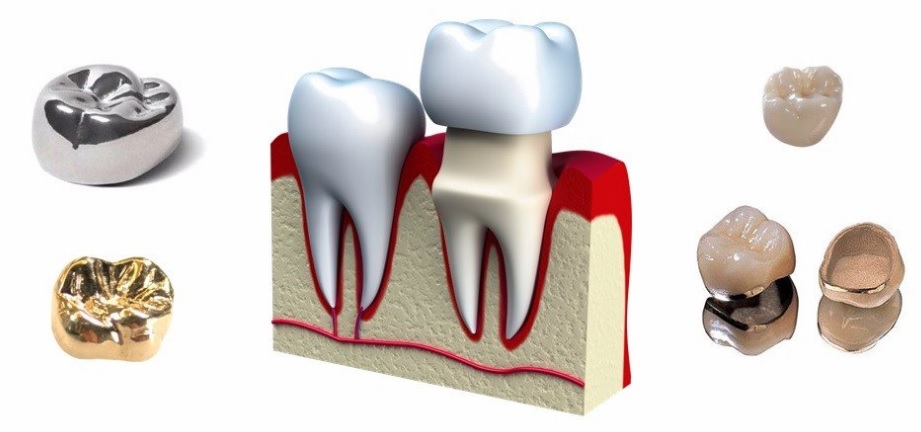
A dental crown is a cap that covers the whole visible part of a tooth, restoring its shape and helping protect it.
When might a crown be recommended?
- A tooth is badly broken or heavily filled.
- A tooth is cracked.
- A back tooth has had root canal treatment.
- To support a bridge.
- To cover a dental implant.
A crown may allow a damaged tooth to be kept rather than extracted, but this depends on how much sound tooth remains.
Types of crown
Options include ceramic, zirconia, porcelain-fused-to-metal and gold. Read about choosing a crown and the crown procedure.
Risks
Shaping a tooth for a crown is irreversible. Sensitivity, nerve inflammation, chipping and loosening can occur.
Related articles
- Choosing the Right Type of Dental Crown
- Dental Crown or Cap: What Is the Difference?
- How Much Do Dental Crowns Cost? What Affects the Fee
This article is general information only and does not replace advice from your own dentist. Whether a treatment is suitable for you can only be decided after an examination. All dental treatment carries risks, and results vary from person to person. Any surgical or invasive procedure carries risks. Before proceeding, you should seek a second opinion from an appropriately qualified health practitioner.