Braces Cost in North Sydney
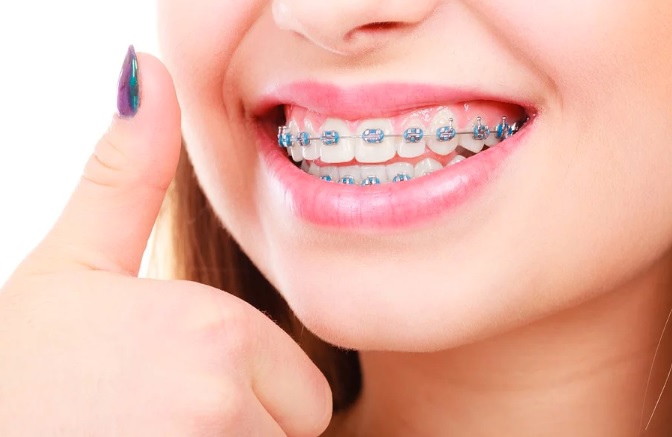
Braces are used to correct the position of teeth and to address bite and jaw problems in both children and adults. Cost is usually one of the first questions patients ask. This article explains what affects the braces cost in North Sydney and what to check before committing. Which treatment is appropriate for you is a clinical judgement made after examination, not a decision that should be made on budget alone. Types of braces Traditional metal braces use metal brackets bonded to each tooth, holding a wire that applies pressure to move the teeth, with elastic modules securing the wire. Ceramic braces work the same way but use tooth-coloured ceramic brackets, which are less noticeable. They generally cost more than metal, and the brackets are more prone to fracture. Clear aligners are a removable alternative. They are not suitable for every case. Which appliance is appropriate depends on your clinical presentation. Neither metal nor ceramic is consistently more effective, and any difference in cost reflects the materials and handling rather than a difference in the standard of care. Braces Cost in Sydney These are indicative figures drawn from published sources rather than quotes. Your dentist will examine your teeth, determine which treatment is appropriate and give you a written breakdown of the cost. Braces at North Sydney Dentistry Traditional teeth braces are provided at our other practices: Hornsby Dental, North Ryde Dentistry at Macquarie Park and Sydney CBD Dentistry. A payment plan is available. Where a weekly figure is advertised, the total treatment fee, the term, the credit provider and the full terms and conditions must be published alongside it. Health Fund Benefits Cover varies considerably between funds and policies, so check with your fund directly before starting treatment. Risks Orthodontic treatment carries risks. These can include discomfort and tooth sensitivity, ulceration and irritation of the lips and cheeks, decalcification and decay around brackets where oral hygiene is not maintained, shortening of tooth roots, gum recession, and relapse if retainers are not worn as directed after treatment. Some cases require extractions or additional procedures, and treatment may take longer than estimated. Retainers are needed at the end of treatment and generally must be worn long term. These risks should be explained to you in full, and you should receive a written quote, before you agree to treatment. To arrange an assessment, contact North Sydney Dentistry. If you are comparing options, read about Invisalign clear aligners in North Sydney. Related at North Ryde Dentistry: Traditional Braces in North Ryde
Invisalign Cost in North Sydney
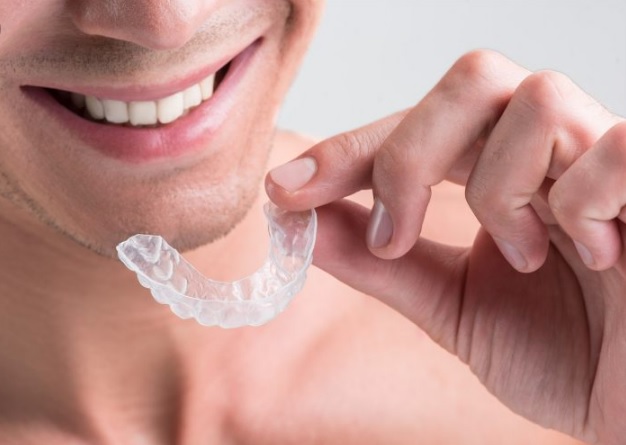
Invisalign is a clear aligner system used to move teeth. It works on the same principle as fixed teeth braces, applying gentle continuous pressure, but the aligners are removable rather than bonded to the teeth. Clear aligner treatment has been available since the early 2000s. Aligners are custom-made from digital scans and worn in sequence, with each aligner typically worn for one to two weeks before moving to the next. Aligners are used for crowding, spacing and some bite corrections. They are less noticeable than metal appliances, which is one reason adults often prefer them, though they are not invisible and the small attachments bonded to the teeth can be seen at close range. The aligners are removed for eating and drinking, but they only apply force while they are being worn. They generally need to be worn 20 to 22 hours a day, and treatment can be delayed or compromised if they are not. Cost is worth understanding before you decide. The information below is general, and a fee for your own case can only be given after examination. Invisalign cost in Sydney These are indicative figures drawn from published sources, not quotes. Clear aligner treatment may be provided by a general dentist working within their scope of practice or by a registered specialist orthodontist. You are entitled to ask which applies, and you can check any practitioner’s registration on the Ahpra public register. Fees at North Sydney Dentistry This is a repayment amount, not the total cost of treatment. You will receive a written quote setting out the full cost after your assessment. Rebates Some private health insurance extras policies include an orthodontic benefit. Check with your fund directly before starting. Orthodontic treatment is generally not covered by Medicare except in limited circumstances. Deciding whether to proceed Whether orthodontic treatment is appropriate for you, and which appliance suits your case, is a clinical judgement made after examination rather than a matter of preference or budget alone. Clear aligners are not suitable for every case, and some tooth movements are more predictably achieved with fixed appliances. Risks Orthodontic treatment carries risks. These can include discomfort and tooth sensitivity, gum irritation, decalcification or decay where oral hygiene is not maintained around attachments, shortening of tooth roots, gum recession, temporary changes to speech, and relapse if retainers are not worn as directed after treatment. Retainers are needed at the end of treatment, generally long term. Aligners can be lost or damaged and replacements are charged. Treatment may take longer than initially estimated. These risks should be explained to you in full before you agree to treatment. To find out whether clear aligners are suitable for you and what they would cost in your case, contact North Sydney Dentistry to arrange an assessment. Related at North Ryde Dentistry: Orthodontics and Invisalign in North Ryde
Orthodontics in North Sydney
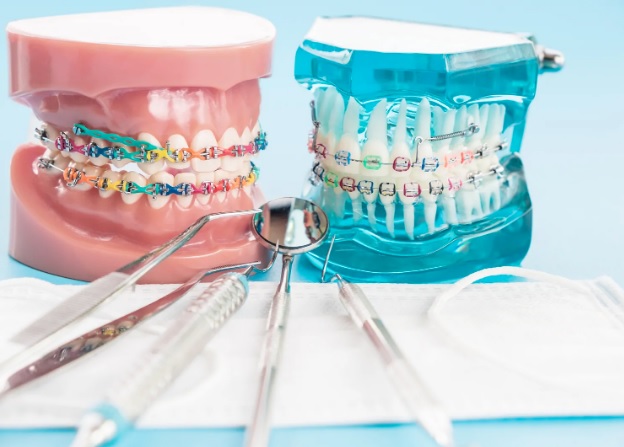
Orthodontics is the area of dentistry concerned with correcting irregularities in the position of the teeth and jaws, usually using braces or clear aligners. Orthodontic treatment may be provided by a general dentist working within their scope of practice, or by a registered specialist orthodontist. All specialist orthodontists are dentists, but a dentist may only use the title “orthodontist” if they hold specialist registration in orthodontics with the Dental Board of Australia. That requires three years of full-time postgraduate training beyond a dental degree, followed by specialist registration. You can check any practitioner’s registration, and whether they hold specialist registration, on the Ahpra public register. Braces cost in Sydney These are indicative figures drawn from published sources rather than quotes. Fees vary with the appliances required, the complexity of the case and the length of treatment. A fee for your own case can only be given after examination and treatment planning. Braces at North Sydney Dentistry Fixed braces are provided at our other practices: Hornsby Dental and North Ryde Dentistry at Macquarie Park. Choosing between the options Orthodontic treatment differs from patient to patient, and options include fixed braces and Invisalign. Cost is one consideration, but which appliance is appropriate is a clinical judgement rather than a matter of budget or preference alone. Neither appliance is consistently cheaper or consistently better; it depends on the case. Your practitioner should explain which options are appropriate for you and why, together with the risks, the expected duration and the total cost. In some cases a general dentist will refer a patient to a specialist orthodontist Sydney, and in others a specialist will refer back for general dental care. What treatment involves Fixed braces use brackets bonded to the teeth holding a wire that applies pressure to move them. Elastic modules holding the wire in place are available in different colours. Treatment takes time and the duration varies considerably between patients. Adjustment appointments are typically needed every four to eight weeks so the appliance can be checked and adjusted. At the end of treatment the appliances are removed, the teeth are cleaned, and retainers are fitted. Retainers must be worn as directed, generally long term, because teeth tend to move back towards their original positions if they are not. See general information on teeth cleaning. Risks Orthodontic treatment carries risks. These can include discomfort and tooth sensitivity, ulceration and irritation of the lips and cheeks, decalcification and decay around brackets where oral hygiene is not maintained, shortening of tooth roots, gum recession, and relapse after treatment. Some cases require extractions or additional procedures, and treatment may take longer than estimated. These risks should be explained to you in full, and you should receive a written quote, before you agree to treatment. To arrange an assessment, contact North Sydney Dentistry. Related at North Ryde Dentistry: Traditional Braces in North Ryde
Teeth Whitening
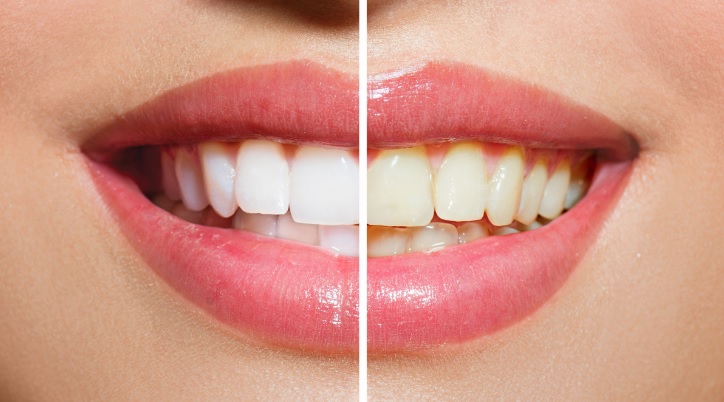
Teeth are exposed to foods and substances that affect their colour. Tobacco, tea, coffee, wine and tartar build-up all contribute to staining. Teeth whitening lightens the colour of teeth using a peroxide-based gel. It does not remove tooth structure. It is one of the more commonly requested cosmetic dental treatments and may be provided by a registered dental practitioner after an examination. Whitening is not a one-off, permanent change. Teeth restain over time from food, drink and smoking, and repeat treatment is usually needed to maintain a lighter shade. The Options Whitening is available as a dentist-supplied take-home kit, as in-chair treatment, and as over-the-counter retail products. Take-home kits provided by a dentist use custom-fitted trays made from impressions of your teeth. In-chair treatment is carried out at the practice. In Australia, products containing higher concentrations of hydrogen peroxide are restricted to use by registered dental practitioners, which is why professionally applied treatment differs from retail products. What it costs These are indicative figures drawn from published sources rather than quotes, and fees differ between practices. Fees at North Sydney Dentistry A take-home kit is $449. What in-chair treatment involves The appointment takes about an hour. The gums and soft tissues are isolated with a protective barrier, and the gel is applied in three cycles of roughly 15 minutes each. A fluoride gel is commonly applied afterwards to help manage sensitivity. See general information on fluoride. We use the SDI Pola Office+ system. Different in-chair systems use similar peroxide chemistry and we make no claim that one system produces better or longer-lasting results than another. What whitening can and cannot do Results vary considerably between individuals depending on the cause of the discolouration, the starting shade and the enamel itself. Some staining responds poorly, including discolouration caused by certain medications, trauma to a tooth, or changes within the tooth structure. Teeth whitening Sydney does not change the colour of crowns, veneers or fillings. Existing restorations may end up a noticeably different shade from the surrounding teeth and may need replacing to match, at additional cost. An examination is needed before treatment. Whitening is not appropriate where there is untreated decay, gum disease, cracked teeth or exposed root surfaces, and your dentist may recommend against it or recommend other treatment first. Risks and side effects Tooth sensitivity and irritation of the gums and soft tissues are the most common side effects. These are usually temporary but can be significant, particularly where there is existing sensitivity or gum recession. Whitening is generally not recommended during pregnancy or breastfeeding, or for children and adolescents. Discuss any of these circumstances with your dentist. Aftercare Your professional teeth whitening dentist will give you aftercare instructions, which usually include avoiding strongly coloured foods and drinks for a period after treatment. To find out whether whitening is suitable for you, contact North Sydney Dentistry to arrange an examination.
Wisdom Teeth Removal: When Is It Needed?
Signs a wisdom tooth may need attention, when removal may be advised, what the procedure involves and the risks and recovery.
Comparing Teeth Whitening Methods

A comparison of whitening toothpastes, over-the-counter kits, take-home trays and in-chair whitening, and why no single method suits everyone.
What Is a Dental Crown and Why Might I Need One?
What a dental crown is, when one may be recommended, the types available in Macquarie Park and what treatment involves.
Professional vs At-Home Teeth Whitening
The differences between dentist-supervised and over-the-counter teeth whitening, including safety, time frames, side effects and suitability.
Tooth Filling Cost in North Ryde: What Affects the Fee

What affects the cost of a tooth filling, including the material, size and position of the filling, and how health funds may help.
How Is a Dental Implant Placed?

How a dental implant is placed, step by step, and how implants compare with dentures. Learn what’s involved before deciding on treatment.