Dental implants are one of the more involved ways to replace a missing tooth, so it helps to understand what makes up the fee before you start.
What affects the cost?
- Number of implants and the type of restoration (single crown, bridge or implant-supported denture).
- Planning: X-rays and 3D scans to assess the bone and nearby structures.
- Additional procedures: extractions, bone grafting or sinus procedures may be needed first.
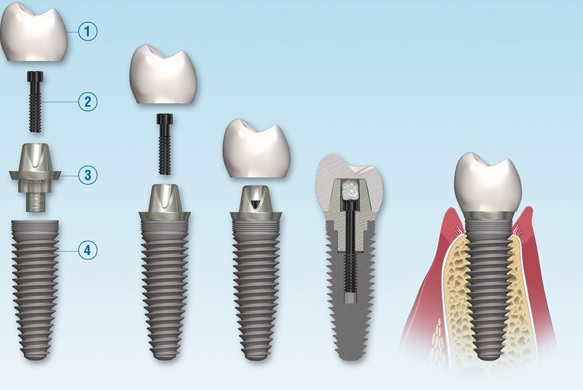
- Components and laboratory work for the abutment and crown.
- Follow-up appointments during healing.
Who places implants?
Implants are placed by dentists with additional training in implant dentistry, or by specialists such as oral surgeons or periodontists. Ask your dentist about their training and experience, and whether referral would suit your case.
Health funds
Some extras policies contribute towards implants, but cover varies widely. Check with your fund using the item numbers on your written quote.
Risks
Implant treatment involves surgery. Risks include pain, swelling, infection, nerve injury, sinus problems and implant failure.
You will receive a written quote after an examination. Read more about dental implants at North Ryde Dentistry.
Related articles
- Are Dental Implants Worth It? Things to Consider
- Dental Implants: Advantages and Disadvantages
- Dental Implants in North Ryde
This article is general information only and does not replace advice from your own dentist. Whether a treatment is suitable for you can only be decided after an examination. All dental treatment carries risks, and results vary from person to person. Any surgical or invasive procedure carries risks. Before proceeding, you should seek a second opinion from an appropriately qualified health practitioner.