
Braces are used to move teeth and improve how the upper and lower teeth meet. They use brackets bonded to the teeth and a wire that applies gentle, continuous pressure over many months.
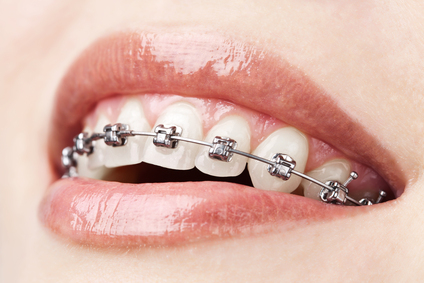
What braces may help with
- Crowded or crooked teeth
- Gaps between teeth
- Overbite, underbite, crossbite, deep bite and open bite
Who provides treatment?
General dentists can provide some orthodontic treatment. More complex bite problems may be referred to a registered specialist orthodontist. Your dentist will explain which applies to you.
Braces or aligners?
Clear aligners such as Invisalign are an alternative for some cases. Your dentist will discuss which option is more suitable for your bite.
Timing for children
Orthodontic assessment is often recommended during the later primary or early teen years, but adults can also be treated.
What affects the cost?
Fees depend on the complexity of the case, the length of treatment and whether other treatment is needed first. You will receive a written quote after an examination, and payment plans are available for eligible patients.
Risks
Soreness is common after adjustments. Other risks include gum inflammation, decay or white marks if cleaning is difficult, root shortening and teeth moving back if retainers are not worn.
Related articles
- Can I Get My Teeth Cleaned While Wearing Braces?
- Orthodontics in Macquarie Park: Treating Misaligned Teeth
- How Much Do Braces Cost?
This article is general information only and does not replace advice from your own dentist. Whether a treatment is suitable for you can only be decided after an examination. All dental treatment carries risks, and results vary from person to person. Payment plans are subject to eligibility, terms and approval.