
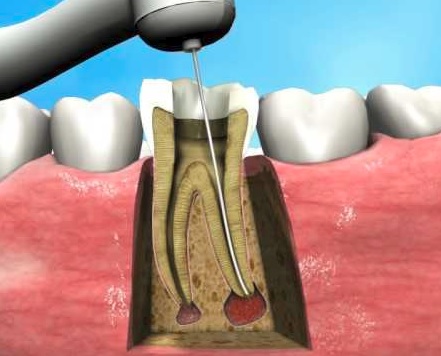
Root canal treatment removes infected or inflamed tissue from inside a tooth so the tooth can be kept. Fees vary because every tooth is different.
What affects the cost?
- The tooth: front teeth usually have one canal; back teeth can have three or more, which takes longer.
- Complexity: curved or narrow canals, or re-treatment of a previous root canal, can add time.
- Number of appointments.
- The final restoration: many back teeth need a crown afterwards to protect them; a filling may be enough for some teeth.
- X-rays and any emergency appointment to relieve pain.
Health funds
Many extras policies contribute to root canal treatment, but benefits vary. Check with your fund using the item numbers on your quote.
Alternatives
The alternative is usually extraction, with or without replacing the tooth. Your dentist will explain the options. Complex cases may be referred to a specialist endodontist.
You will receive a written quote after an examination and X-ray. If you are in pain, see emergency appointments.
Related articles
- Root Canal Cost: What Affects the Price
- Root Canal Treatment Cost: A Step-by-Step Breakdown
- What Happens in Root Canal Therapy?
This article is general information only and does not replace advice from your own dentist. Whether a treatment is suitable for you can only be decided after an examination. All dental treatment carries risks, and results vary from person to person. Any surgical or invasive procedure carries risks. Before proceeding, you should seek a second opinion from an appropriately qualified health practitioner.