
How Much Does Invisalign Cost?

Cost is one of the first questions people ask about clear aligner treatment. This article explains what makes up the fee for orthodontic treatment with clear aligners, what published figures do and do not tell you, and what else to consider before deciding. Understanding Invisalign costs Invisalign cost varies with the complexity of the case, the length of treatment and the practice providing it. These are indicative figures drawn from published sources, not quotes, and the fee for any individual is set only after examination and treatment planning. What affects the fee Complexity of the case. The amount of tooth movement required affects how many aligners are needed and how long treatment takes. Treatment length. Longer treatment generally involves more aligners and more review appointments. Location and practice. Fees differ between practices and between areas. Additional items. Records and scans, attachments, interproximal reduction, refinement aligners and retainers may be included in a quoted fee or charged separately. Ask which applies before you commit. Only a consultation with a registered dental practitioner can give you a figure for your own case. Invisalign at North Sydney Dentistry We provide clear aligner treatment and publish our fees so that costs are clear before treatment begins. Payment plans This is a repayment amount, not the total cost of treatment. Approval is subject to that provider’s eligibility criteria. Health fund benefits Benefits vary between funds and policies, so check with your fund directly. About our practice Registered practitioners. Our dentists provide clear aligner treatment and are registered with the Dental Board of Australia. You can check any practitioner’s registration on the Ahpra public register. Digital planning. We use intra-oral scanning and 3D treatment planning software to prepare and monitor treatment plans. Ongoing review. You attend review appointments through the course of treatment so progress can be checked and the plan adjusted where needed. What Clear Aligners involve Invisalign Sydney is one option among several for straightening teeth. Whether it suits you depends on your clinical assessment. Appearance Clear aligners are less noticeable than fixed metal appliances. They are not invisible, and the attachments bonded to the teeth during treatment can be seen at close range. Comfort and convenience The aligners are smooth plastic without brackets or wires. Pressure, tenderness and tooth sensitivity for a few days after each aligner change are common, as is temporary irritation of the lips, tongue or gums. Because the aligners are removable, there are fewer restrictions on food and drink, though teeth should be cleaned before reinserting them. Suitability and treatment time Clear aligners can treat a range of orthodontic problems, from mild crowding through to some more involved cases. They are not suitable for everyone, and some tooth movements are more predictably achieved with fixed appliances. Treatment commonly runs 12 to 18 months, but the actual duration depends on the case and may be longer. Some cases require additional refinement aligners. The Treatment Process Initial consultation. Your teeth and gums are examined and your options discussed. This appointment establishes whether clear aligners are appropriate for you. You receive a written quote for your own case. Treatment plan. A series of aligners is designed from digital scans. Each aligner is generally worn for one to two weeks. Review appointments. You attend regular reviews so progress can be monitored and the plan adjusted if teeth are not tracking as expected. Retainers are provided at the end of treatment and generally need to be worn long term. Teeth tend to move back toward their original positions if retainers are not worn as directed. Invisalign Provider Status North Sydney Dentistry holds Invisalign Platinum Elite Provider status. This is a tier assigned by Align Technology, the manufacturer, based on the number of cases a practice treats. It is a commercial classification rather than an award, an accreditation or an assessment of clinical quality by a regulator or professional body. Getting the most from treatment Wear your aligners as directed Aligners generally need to be worn 20 to 22 hours a day. Where they are not worn as directed, teeth may not move as planned and treatment can take longer or require a revised plan. Maintain oral hygiene Brush and floss regularly and clean your aligners as instructed. Poor oral hygiene during aligner treatment increases the risk of decay and gum problems. See the general information on oral hygiene. Follow your dentist’s instructions Attend your scheduled appointments and follow the advice you are given. Risks and Considerations Orthodontic treatment carries risks, including discomfort and tooth sensitivity, gum irritation, decalcification or decay where hygiene is not maintained, shortening of tooth roots, gum recession, temporary changes to speech, and relapse if retainers are not worn. Aligners can be lost or damaged and replacements are charged. Results vary between individuals. To find out whether clear aligners are suitable for you and what they would cost in your case, arrange an assessment with a registered dental practitioner. The risks will be explained and you will receive a written quote before treatment begins. Dentist North Sydney Related at North Ryde Dentistry: Orthodontics and Invisalign in North Ryde
Teeth Veneers Cost: Planning Your Budget

How to plan a budget for veneers, including what drives the fee, ongoing maintenance, health fund cover and payment options.
How Much Are Veneers?
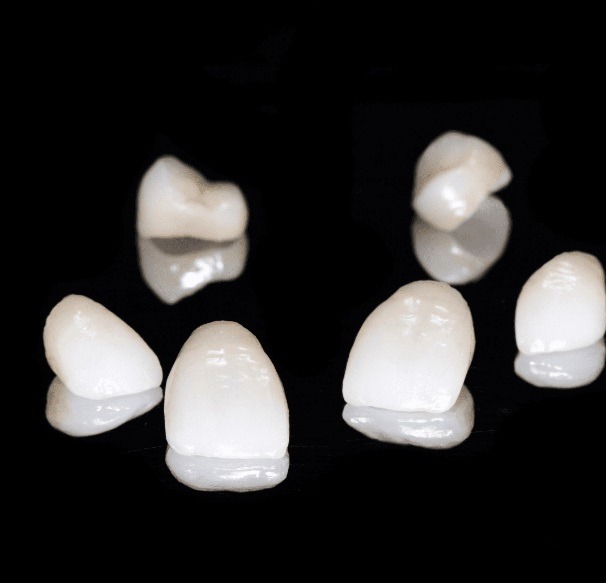
Cost is one of the first questions people ask about teeth veneers. This article explains what published price ranges do and do not tell you, what affects the fee, and what ongoing costs to factor in. What are Veneers? Veneers are thin, custom-made shells bonded to the front surface of the teeth to change their appearance. They are made from porcelain or composite resin and are used for discolouration, chips, small gaps and minor irregularities in tooth position. Veneers are a cosmetic treatment. They do not treat decay, gum disease or bite problems, and those conditions must be addressed first. IMPORTANT — most veneer treatment involves permanently removing a layer of enamel from the front of otherwise healthy teeth. Enamel does not grow back. Once teeth are prepared, they will need veneers or crowns for life and those restorations will require replacing periodically. What Veneers Cost These are indicative figures drawn from published sources, not quotes, and fees vary between practices and between cases. A fee for your own case can only be given after examination and treatment planning. What affects the fee The main factors are the material chosen, the number of teeth being treated, the complexity of the case, and whether any preliminary treatment is needed first, such as addressing decay or gum disease, whitening the natural teeth before shades are matched, or orthodontic treatment to improve tooth position. Preliminary treatment is charged separately. Ongoing costs Veneers are not permanent. Replacement, repair and periodic maintenance are ongoing costs over the life of the treatment. Health fund benefits Some private health insurance extras policies include a benefit for veneers, generally subject to waiting periods and annual limits, and some exclude purely cosmetic work. Check with your fund directly before committing. Porcelain veneers Porcelain veneers are made in a dental laboratory and bonded to the teeth over more than one appointment. They resist staining better than composite and are more resistant to wear, but they generally require more enamel removal and cannot usually be repaired if damaged. Payment plan We offer an interest-free payment plan for porcelain veneers from $57 per week. This is a repayment amount, not the total cost of treatment. Approval is subject to that provider’s eligibility criteria. Composite veneers Composite veneers are made from a tooth-coloured resin applied directly to the teeth, often in a single appointment. They cost less and generally require less enamel removal, and can usually be repaired. They stain, chip and wear more readily than porcelain and generally have a shorter lifespan. Payment plan This is a repayment amount, not the total cost of treatment. Approval is subject to that provider’s eligibility criteria. Veneers at North Sydney Dentistry Our dentists provide both porcelain and composite veneers as part of general dental practice. All are registered with the Dental Board of Australia and their registration can be checked on the Ahpra public register. At your consultation we examine your teeth, gums and bite, discuss what you want to change, explain the options available including those involving less enamel removal, set out the risks and provide a written quote covering exactly what is included. Where veneers are not appropriate for your case, we will tell you. Risks and Limitations Veneers are elective cosmetic treatment and carry risks that should be explained to you before you proceed: irreversible enamel removal, committing the teeth to restorations permanently tooth sensitivity, usually temporary but sometimes persistent gum irritation, and recession over time exposing the veneer margin chipping, cracking or debonding requiring repair or replacement at further cost the possibility that a prepared tooth requires root canal treatment or extraction colour that cannot be altered once made and may not match natural teeth as they age a finite lifespan requiring periodic replacement To find out whether veneers are suitable for you and what they would cost in your case, contact us to arrange a consultation. Related at North Ryde Dentistry: our North Ryde dental clinic
Invisalign vs Braces: Which Might Suit You?

A balanced comparison of Invisalign and fixed braces covering appearance, comfort, cleaning, lifestyle, suitability and risks.
Veneer Before and After Photos: What They Can and Cannot Tell You

How to read veneer before-and-after photos with care, why results vary between people, and what to ask at a veneer consultation.
Teeth Braces: A Guide for Adults and Families
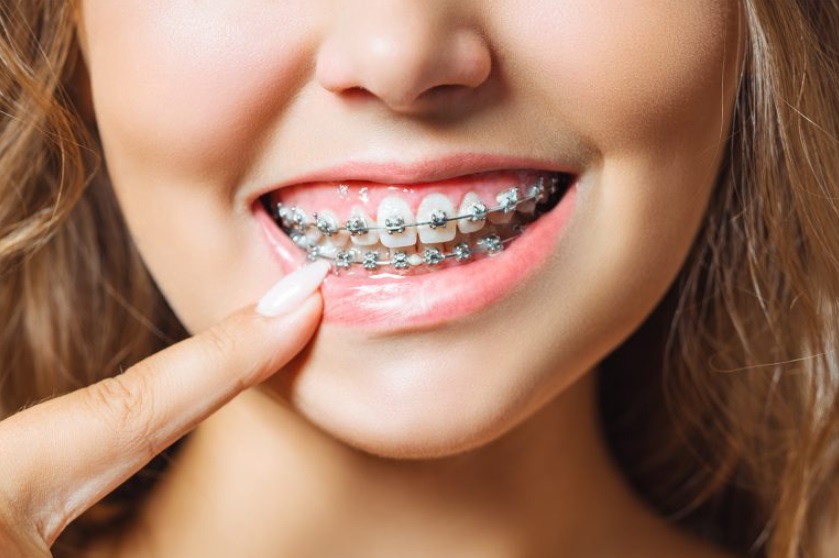
How braces work, what treatment involves, living with braces, and the risks, for adults and parents considering orthodontic treatment.
Veneers Cost: Porcelain vs Composite

How the cost of porcelain and composite veneers compares, what affects your quote and how to plan for maintenance.
Composite Resin Veneers: How They Work
How composite resin veneers are placed, their advantages and limitations compared with porcelain, and how to look after them.
Porcelain Veneers: Suitability, Process and Care

Who may be suitable for porcelain veneers, what the process involves, how to care for them, and the risks to discuss with your dentist.
Invisalign Before and After
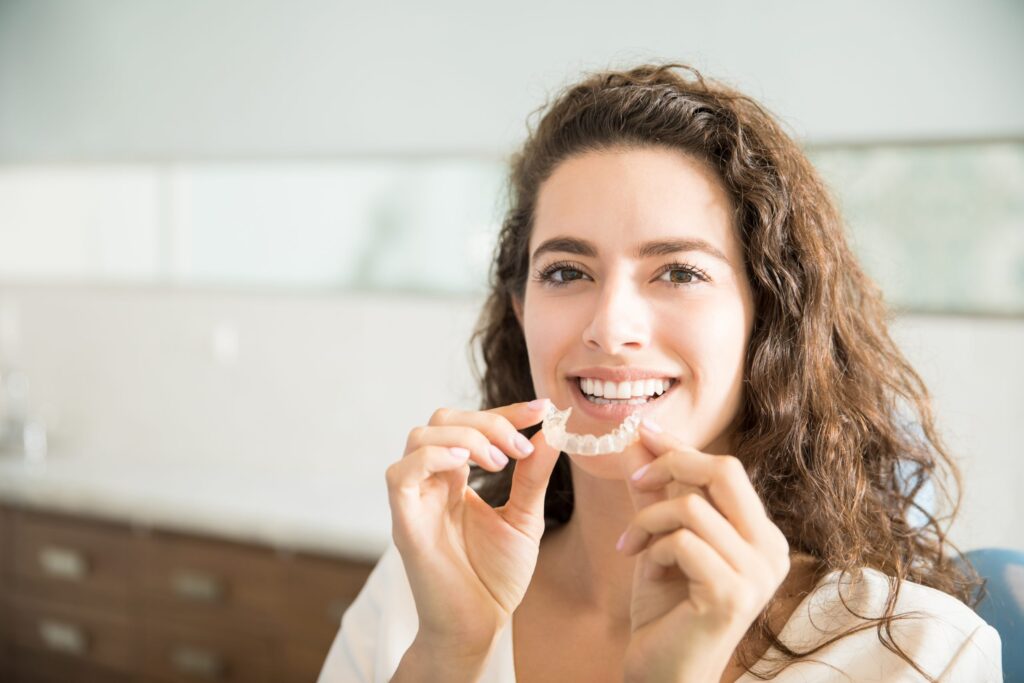
If you are considering straightening your teeth with clear aligners, it is reasonable to want to know what treatment can achieve. This article explains what the process involves, what determines the outcome, Invisalign before and after, and what its limitations are. Why people consider Clear Aligners Clear aligners are an alternative to fixed braces. Instead of brackets and wires, a series of removable transparent aligners is custom-made from digital scans of your teeth and worn in sequence to move them gradually into a planned position. Comfort The aligners are smooth plastic with no brackets or wires to rub against the lips and cheeks. Most people experience pressure, tenderness or tooth sensitivity for a few days after changing to a new aligner, and some experience temporary irritation of the tongue or gums or a temporary effect on speech. Appearance during treatment The aligners are less noticeable than metal appliances. They are not invisible, and the small attachments bonded to the teeth during treatment can be seen at close range. What they can treat Clear aligners are used for a range of orthodontic problems including crowding, spacing and some bite corrections. They are not suitable for every case. Some tooth movements and more complex bite corrections are more predictably achieved with fixed appliances. The Treatment Process Initial consultation. Your teeth, gums and bite are examined and your options discussed. This appointment determines whether clear aligners are appropriate for your case. Digital scans are taken to build a 3D model. You should receive an explanation of the risks and a written quote. Treatment plan. A plan is prepared from the 3D model, setting out the estimated duration and the planned sequence of tooth movements. Any digital simulation you are shown is a projection generated from the plan. Receiving your aligners. You are given instructions on wearing and caring for the aligners. They generally need to be worn 20 to 22 hours a day, removed only for eating, drinking, brushing and flossing. Review appointments. You attend reviews, commonly every 6 to 8 weeks, so progress can be checked against the plan and adjustments made where teeth are not tracking as expected. Some cases require additional refinement aligners. Retainers are provided at the end of treatment and generally need to be worn long term. Teeth tend to move back towards their original positions if retainers are not worn as directed. What determines the result Outcomes vary between individuals. The result achievable in any case depends on the starting position of the teeth, the underlying bite and jaw relationship, the health of the teeth and supporting bone, the treatment plan, and how consistently the aligners are worn. Because aligners only apply force while they are being worn, wear time has a direct effect. Where aligners are not worn as directed, teeth may not move as planned, treatment can take longer, and a revised plan or a change of approach may be needed. Clear aligners address the position of teeth. They do not change the colour, shape or size of teeth, and they do not correct all skeletal or jaw discrepancies. Where those are a concern, other treatment would need to be discussed separately. Clear aligner treatment at North Sydney Dentistry Provider status North Sydney Dentistry holds Invisalign Platinum Elite Provider status. This is a tier assigned by Align Technology, the manufacturer, based on the number of cases a practice treats. It is a commercial classification rather than an award, an accreditation, or an assessment of clinical quality by any regulator or professional body. Our practitioners Our dentists provide clear aligner treatment as part of general dental practice. All are registered with the Dental Board of Australia and their registration can be verified on the Ahpra public register. Treatment planning Plans are prepared individually after examination. Where clear aligners are not appropriate for a case, we will say so and discuss the alternatives. Risks and considerations Orthodontic treatment carries risks. These can include discomfort and tooth sensitivity, gum irritation, decalcification or decay where oral hygiene is not maintained around attachments, shortening of tooth roots, gum recession, temporary changes to speech, and relapse if retainers are not worn as directed. Aligners can be lost or damaged and replacements are charged. Treatment may take longer than initially estimated, and some cases require additional procedures or a change of appliance. These risks should be explained to you in full before you agree to treatment. Arranging an assessment If you would like to know whether clear aligner treatment is suitable for you and what it could achieve in your case, contact North Sydney Dentistry to arrange a consultation. You will be examined, given an explanation of the options and their risks, and provided with a written quote before treatment begins. Related at North Ryde Dentistry: Orthodontics and Invisalign in North Ryde