
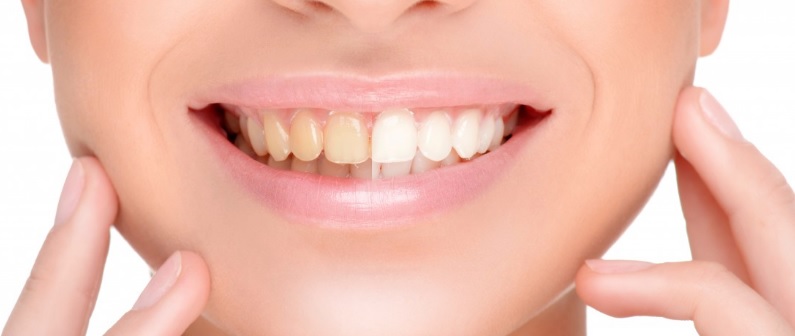
Many people value the brightness of their smile as part of their overall appearance. Over time, teeth may change colour due to lifestyle habits, food and drink choices, or natural ageing. If you’ve been looking for information on teeth whitening in North Ryde or Macquarie Park, this guide will help explain what the treatment involves, the options available, and important things to consider before starting.
What Is Teeth Whitening?
Teeth whitening is a cosmetic dentistry treatment that lightens the natural colour of teeth and reduces stains or discolouration. The most common whitening agents used are hydrogen peroxide and carbamide peroxide, which work by breaking down stains on the enamel.
There are generally two main categories of whitening:
Professional teeth whitening – carried out by or under the supervision of a dentist.
Over-the-counter products – such as strips, gels, or whitening toothpaste available in stores.
While both options exist, many people considering teeth whitening prefer to first consult a dentist to check whether treatment is suitable for them.
Professional Teeth Whitening
In-Chair Whitening
This method is performed at a dental clinic, often in about 60–90 minutes per session. A dentist applies whitening gel to the teeth and may use a special light to accelerate the process. Depending on your teeth and goals, more than one appointment may be recommended.
Take-Home Whitening Kits
Some patients prefer a gradual approach. Dentists can provide custom-fitted trays and whitening gel to use at home. Treatment usually takes 1–2 weeks, with wear time ranging from a few hours a day to overnight, depending on the system used.
Both of these approaches fall under professional whitening, meaning they are tailored to your needs and monitored by a dentist to reduce risks such as sensitivity or gum irritation.
Over-the-Counter Whitening Products
Pharmacies and supermarkets stock whitening strips, gels, and generic trays. While these products may help lighten teeth, they often contain lower concentrations of whitening agents than professional treatments. As a result, results may take longer and can be uneven, especially if the trays do not fit well.
It’s also important to be cautious. If you experience side effects like gum irritation or tooth sensitivity, you should stop use and seek advice from a dentist.
Teeth Whitening vs. Teeth Cleaning
It’s important to understand the difference between these two treatments:
Teeth cleaning – A routine procedure where plaque and tartar are removed from the teeth. This helps prevent gum disease, tooth decay, and bad breath.
Teeth whitening – A cosmetic procedure focused on improving the appearance of teeth by making them lighter.
In many cases, dentists recommend having a professional clean before starting whitening. This ensures stains are removed and gives a clearer, more even result.
Who Is Suitable for Teeth Whitening?
Whitening is not suitable for everyone. A dentist will first assess your teeth and gums before recommending treatment. Whitening may not be suitable if you have:
Tooth decay
Worn enamel
Cracks in teeth
Dental restorations such as crowns, veneers, or fillings (these do not whiten)
For some patients, other cosmetic dentistry options may be recommended instead.
Teeth Whitening Cost
The teeth whitening cost depends on the type of treatment you choose. In general:
In-chair whitening is often more expensive due to the use of stronger whitening agents and the supervision of a dentist.
Take-home kits provided by dentists may be less costly but usually require more time.
Over-the-counter options usually cost the least, but results vary and risks may be higher if used incorrectly.
At North Ryde Dentistry, the fees for professional teeth whitening are: Take-home whitening (custom trays and gel) – $449. In-chair whitening – $649. A dental examination is required first to confirm the treatment is suitable for you. Prices current at October 2026 and may change.
When comparing whitening options, it’s a good idea to ask about treatment options, expected outcomes, and costs during your consultation.
Professional Whitening Compared With DIY Products
While results vary, professional whitening has several advantages over DIY methods:
Customised treatment – Your dentist can adjust whitening strength to suit your needs.
Supervision – Your gums are protected and the gel is applied by the dental team. Timeframe – In-chair whitening may lighten teeth in one visit; results vary. Advice – You’ll receive advice on how to maintain your results.
Risks and Side Effects
Like all dental treatments, whitening has potential risks. The most common include:
Temporary tooth sensitivity
Gum irritation
Uneven results if restorations are present
Sensitivity and gum irritation are usually temporary. Your dentist will explain how to reduce them. Read the full risks and considerations.
Maintaining Results
Teeth whitening is not permanent, but results can last longer with good care. Dentists often recommend:
Brushing twice daily and flossing
Avoiding dark-coloured drinks such as coffee, tea, or red wine
Quitting smoking
Scheduling regular dental check-ups
Occasional touch-up treatments if needed
Summary Professional whitening is carried out or supervised by a dentist. Whether you choose in-chair whitening or a take-home kit, the most important step is a dental consultation to determine if the treatment is suitable for you.
If you are considering teeth whitening, a consultation can provide clarity on treatment options, possible outcomes, and costs. By making an informed decision, you can approach cosmetic dentistry with realistic expectations. See our teeth whitening page or call (02) 8090 1102.